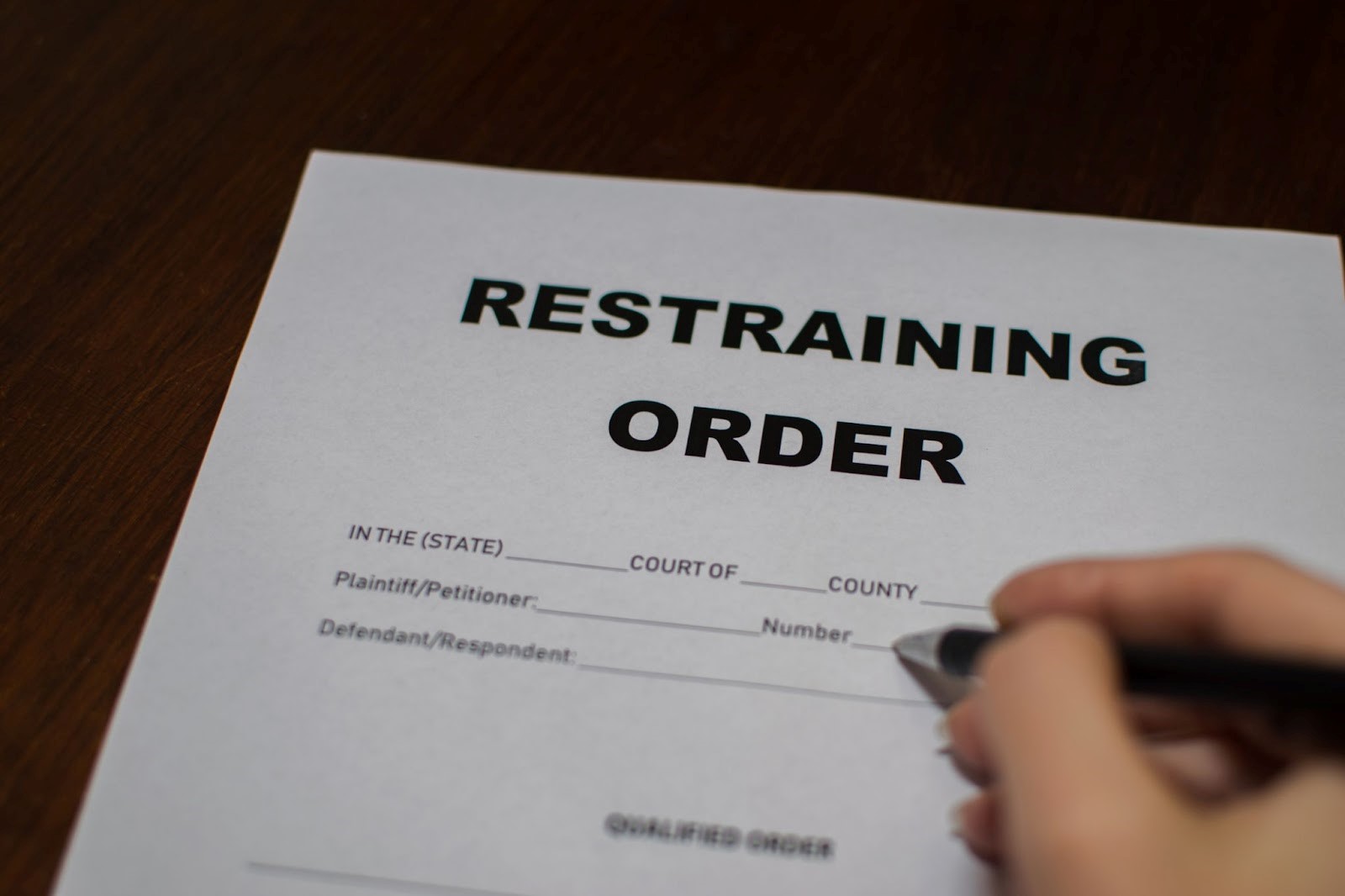

Queensland has introduced a major legal reform that changes how the justice system responds to domestic violence. From 26 May 2025 coercive control becomes a specific criminal offence. These changes recognise that harm in relationships is not always physical. Patterns of intimidation, isolation and manipulation will now be treated as criminal behaviour. As criminal defence lawyers we understand how significant this shift is. Allegations that once resulted in civil domestic violence orders may now lead to serious criminal charges. Understanding the new laws is essential for anyone who may be affected by the reforms.
What Coercive Control Means Under the New Law
Under the new framework coercive control refers to repeated behaviour that gradually removes a persons independence and sense of safety. It is a form of abuse that builds over time. It often involves emotional abuse, psychological abuse, financial abuse or technological abuse. These behaviours may begin subtly but can grow into a complete pattern of domination. The law focuses on the overall pattern rather than individual incidents. Something that appears minor in isolation can become unlawful when repeated in a way that creates fear or dependency.
When do the New Laws Start?
The stand alone coercive control offence takes effect on 26 May 2025. From this date police will investigate and charge behaviour that forms a repeated pattern of control intimidation or harm. Courts will consider whether behaviour across a period of time creates an environment of fear or restriction.
Key Legal Changes Under the 2025 Reforms
The most significant part of the reform is the introduction of a criminal offence for coercive control with a maximum penalty of fourteen years imprisonment. This shows the seriousness with which Queensland now treats non physical abuse.
Police will also have a stronger ability to intervene early. They may issue urgent protection orders remove a respondent from a home and take immediate action where a pattern of behaviour is emerging. The reforms also expand the understanding of domestic violence to include emotional harm psychological harm financial restriction digital monitoring ongoing intimidation and social isolation.
Who Can Be Affected Under the New Law?
The new offence applies to behaviour directed toward current or former intimate partners, family members or unpaid carers in domestic settings. This means the offence covers a wide range of domestic relationships and not only traditional couples. It also recognises that many people experience controlling behaviour in situations involving dependence or vulnerability.
Behaviour That May Now Lead to Charges
Because the new offence focuses on behaviour across time prosecutors may rely on many different forms of conduct, including repeated financial restriction repeated checking of devices repeated threats repeated monitoring of movements ongoing humiliation ongoing intimidation and actions that isolate someone from friends family or community. Even behaviour that seems minor in a single moment may become unlawful when viewed as part of a repeated pattern that removes choice or freedom.
How These Laws Affect Victims
For victims, the reforms provide stronger protection and earlier recognition of harm. Many types of abuse that were previously difficult to prosecute now have a clear pathway to criminal charges. Police will be able to act quickly, and courts will have stronger tools to identify ongoing patterns of harm.
How These Laws Affect People Accused of Coercive Control
From a defence perspective, the reforms will significantly change how domestic violence matters are handled. Police may review a person’s social media activity, financial information, communication records and relationship history. A single complaint may lead to immediate orders strict bail conditions and considerable restrictions.
Because the law focuses on patterns of behaviour, even normal communication can be interpreted differently without context. Anyone who becomes aware of an allegation should speak to a lawyer before talking to police. What you say in an interview can heavily influence the outcome.
Impact on Parenting and Family Law Matters
Allegations of coercive control may affect parenting decisions in the Federal Circuit and Family Court of Australia. Courts must now consider emotional harm, psychological manipulation and controlling behaviour when assessing the best interests of children. Even without a criminal conviction, these allegations may influence living arrangements, supervised time and parenting plans.
If You Believe You Are Experiencing Coercive Control
If you feel unsafe or concerned about escalating behaviour, it can help to keep a record of incidents, messages or communication that shows a repeated pattern. If you are in immediate danger contact police.
If You Have Been Accused of Coercive Control
If police have contacted you or if someone has made a complaint, you should not contact the other person and should not attend an interview without legal advice. A lawyer can guide you through the process ensure your rights are protected and help you understand what evidence may be relevant.
Legal Guidance on the Coercive Control Laws in Queensland
The introduction of the coercive control laws Queensland marks a major change to how the justice system responds to domestic violence. The law now recognises that harm can occur through emotional financial and psychological abuse. It also creates significant legal risks for anyone accused because patterns of behaviour are closely examined and may lead to serious criminal charges.
Rana Lawyers provides informed strategic and compassionate support for people facing allegations. Seeking legal advice early is essential whether you need protection or need to defend yourself. Our team can guide you through these complex laws and help you make informed decisions about your next steps.